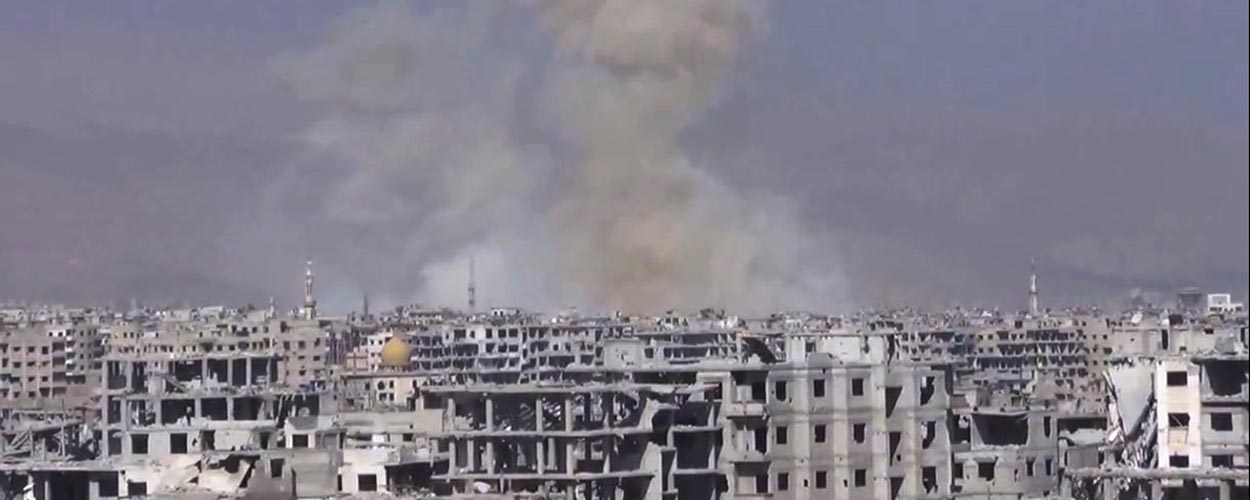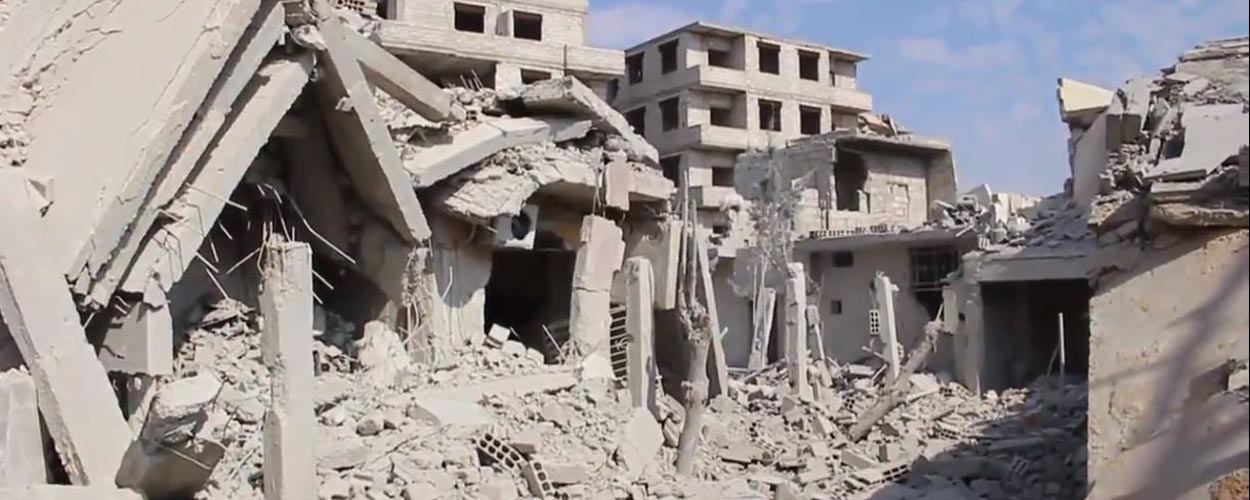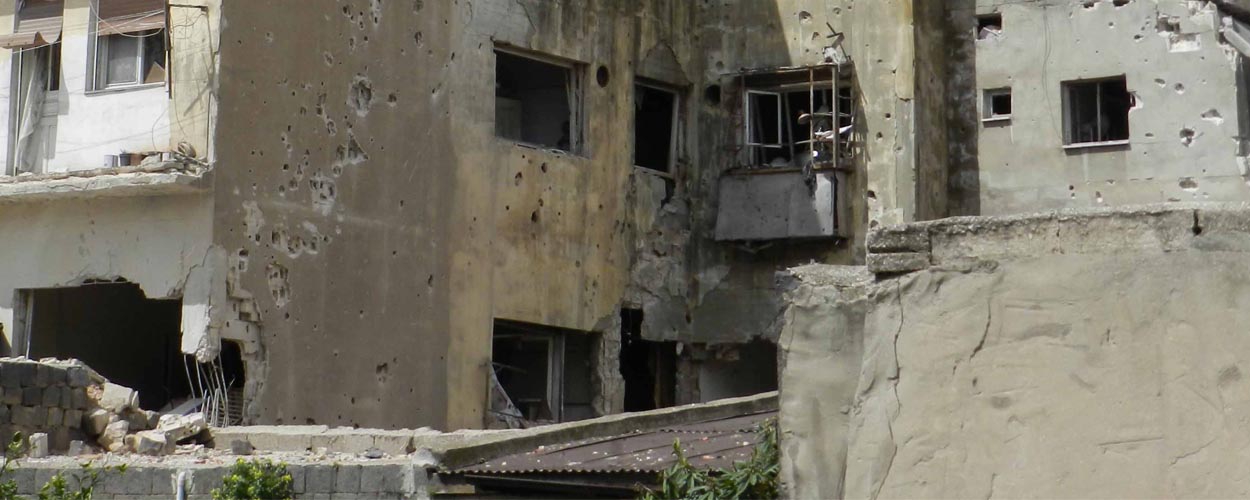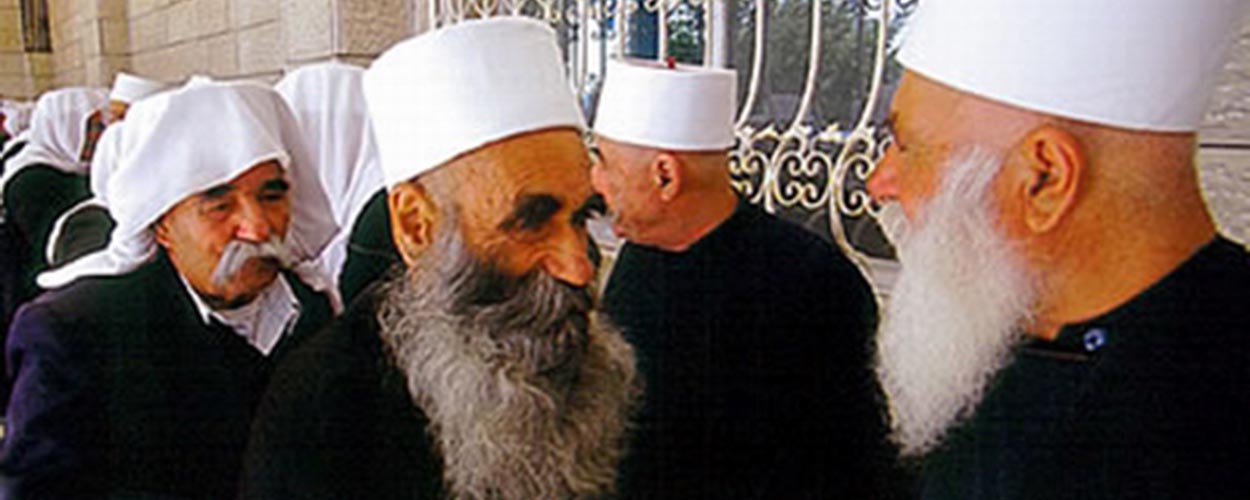
The most rebellious community in Syria’s modern history is a people called the Druze, most of whom live in a region called the Druze Mountain, Jabal al-Druze, about 70 miles south of Damascus. Members of this syncretic, semi-Shiite Muslim sect battled the country’s successive overlords, notably the Ottoman Turks in World War I and the French mandate authorities in the 1920s and ’30s. Syrian independence in 1946 did not dampen their enthusiasm for revolt, as they rose against nationalist regimes that they felt threatened their traditional ways of living. Yet when the biggest rebellion in the country’s history broke out in March 2011, the Druze stayed out.
The traditional leader of Lebanon’s Druze, Walid Jumblatt, called on his Syrian brethren to “join the Syrian rebels who are marking in blood heroic battles against oppression on a daily basis.” Jumblatt explained to me in 2012, “The Druze don’t live in an Alawite sea. They live in a Sunni sea.” In Jumblatt’s view, Druze survival depended on joining the majority Sunni population in opposition to rule by Alawites, another minority with roots in Shiite Islam. Although some Druze took part in peaceful demonstrations for reform in 2011, they did not turn to violence. Hassan al-Atrash, a biology teacher and former communist, said, “As far as people were concerned, this was not meant to be a war. They made legal demands for their rights.” They thus ignored Jumblatt’s call to join the rebels, but they did not join the Syrian army either.
Continue reading →