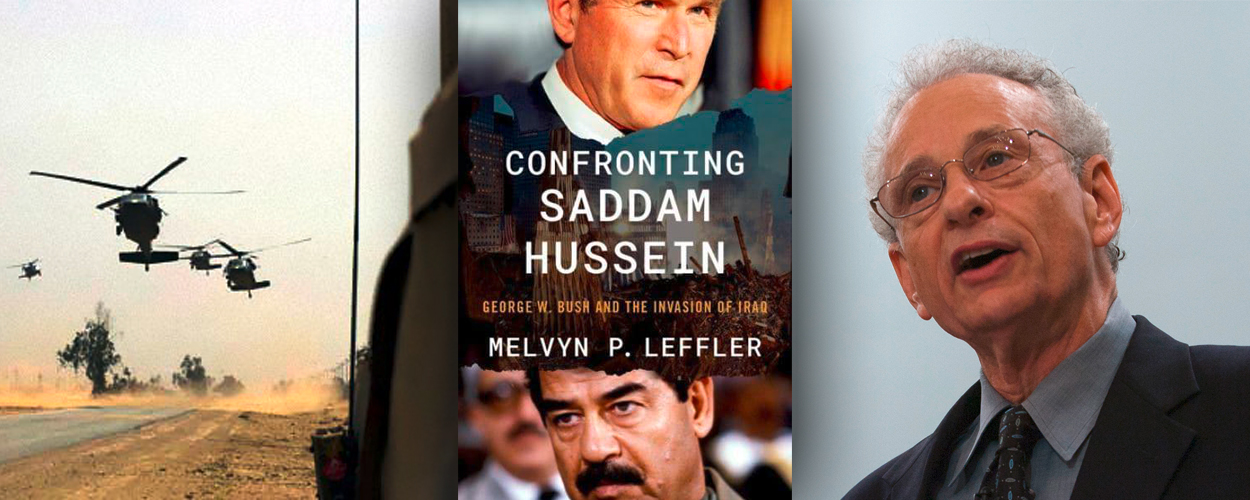
Will Robinson, an American Iraq war veteran, languished for months with depression and post-traumatic stress disorder (PTSD) all alone at home in Louisiana. One day in March 2016, he watched the movie “Wild,” starring Reese Witherspoon as Cheryl Strayed. Strayed’s book of the same title told of her redemption from despair by hiking 2,650 miles of wilderness on the Pacific Coast Trail, from Mexico to Canada. Robinson decided to follow Strayed’s example, packing up a tent and supplies a month later to duplicate her journey and, he hoped, its hopeful outcome.
He had nothing to lose. Forced into the army at the age of eighteen by a judge who promised to erase his conviction for petty theft if he served, he was deployed to South Korea in 2001 and Iraq in 2003. Six months in Iraq left him with injuries to his wrist, his knee and, more significantly, his mind. The army gave him a medical discharge for PTSD, but it offered little in the way of medical treatment. He attempted suicide with drugs the Veterans Administration issued him, surviving only because the pills made him vomit. Other vets of the war on terror were not so lucky; every day, an average of twenty-two take their lives rather than endure another moment of living hell. Robinson promised his mother he would not try again. Then she died, and he retreated into loneliness and depression.
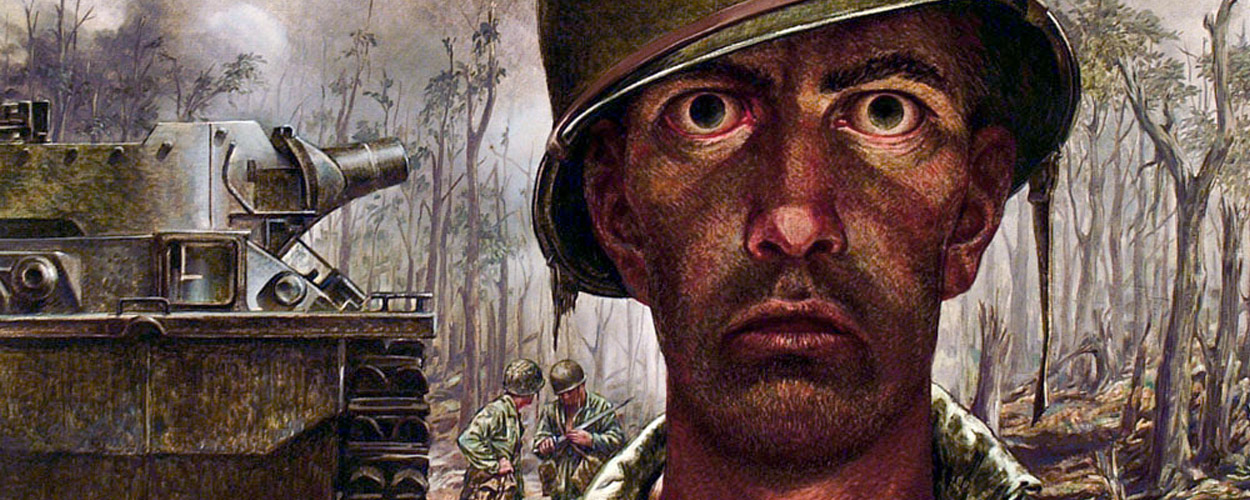
It was during that dark time that Robinson saw “Wild” and took his first, literal, step towards recovery. He may not have known that he was following the advice of a British psychiatrist, Dr. Arthur J. Brock, who had prescribed similar solutions to soldiers traumatized in the First World War. The battles between 1914 and 1918 subjected young men to the unprecedented terrors of high explosive artillery shells, poison gas, flamethrowers, rapid machine-gun fire and claustrophobia in rat-infested trenches. Growing numbers of casualties carried to field hospitals had no physical wounds. At least, not wounds the doctors could see.
Continue reading →