Tag Archives: The Nation

With American Help, Lebanon Once Again Nears the Abyss

Lebanon needs change. The people demand it and even some of the leaders know it. But US involvement threatens that possibility.

“The switch from peace to a state of war,” wrote Lebanese novelist Hassan Daoud in 2006 when Israel was invading Lebanon, “is the fastest transition of all.” Lebanon, which managed to keep the Syrian war from spreading to its territory for eight years, is now bracing for another switch. More than a quarter of the population has descended on the streets in all large cities demanding an end to government corruption. Protesters from all the Christian and Muslim sects are blockading Parliament and major roads and denouncing government ministers as “thieves.” The prime minister has resigned, but no one has emerged to form a new government. Lebanon is teetering under popular dissent against a grotesquely crooked system and an $86 billion national debt (150 percent of GDP) that makes it the third-most-indebted nation on earth.

Continue reading →
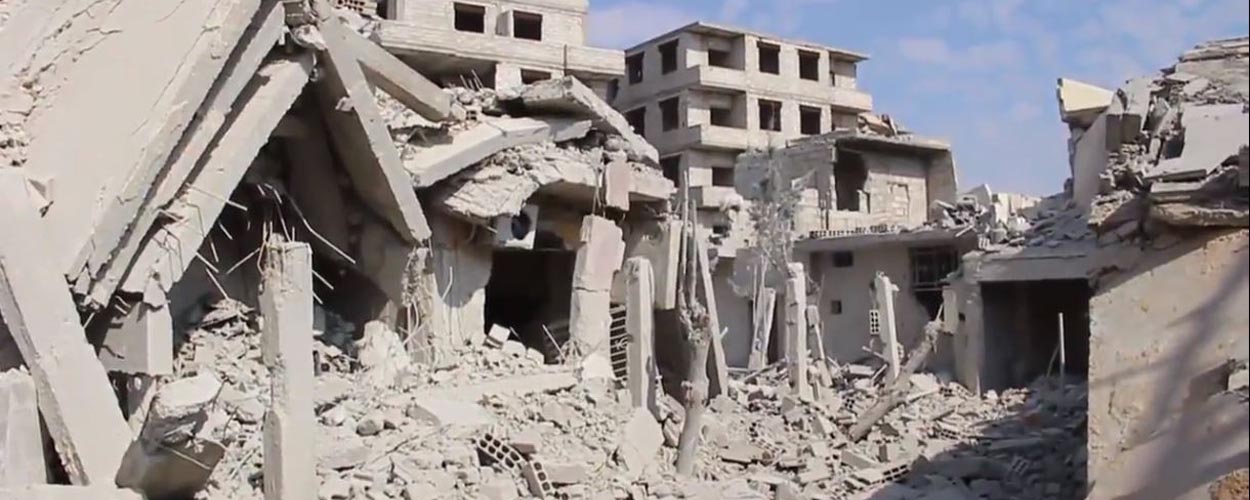
Ruins at Zamalka, Ghouta, Syria, 22nd Feb 2018

Think the War in Syria Is Winding Down? Think Again.

A country house in the hills west of Damascus symbolizes for me the futility of Syria’s war, seven years old this spring. A friend had saved for years to build the chalet, where he and his wife and children enjoyed weekends and holidays. Rebels broke into the empty house at the war’s outset to fire from the roof at Syrian soldiers. The troops responded with automatic weapons and mortar rounds that set the house ablaze. The rebels fled, the house burned, and neither side offered compensation.

I noticed on regular visits to Damascus the evolution of my friend’s perspective. He directed his anger first at the soldiers for overreacting, then at the rebels for invading his house without permission or the possibility of defending it. As the war progressed, he chose to forget the house, just as he tried to ignore the war. That house represents Syria, its inhabitants at the mercy of forces they cannot control. My friend lingers on in Damascus to run the family business, but his wife and children have joined the mass exodus of Syrians overseas.

Many Syrians among the 5 million or so who escaped hope to return when the war ends. It should be over, but it isn’t. Instead, Syria’s skies have become a shooting gallery for Kurds hitting Turkish helicopters, Israelis downing Iranian drones, a Russian Su-25 succumbing to jihadi surface-to-air missiles. On the ground, Syria has long since slipped into the Lebanese trap of shifting shapes, altering alliances, and outside interference.

Continue reading →